
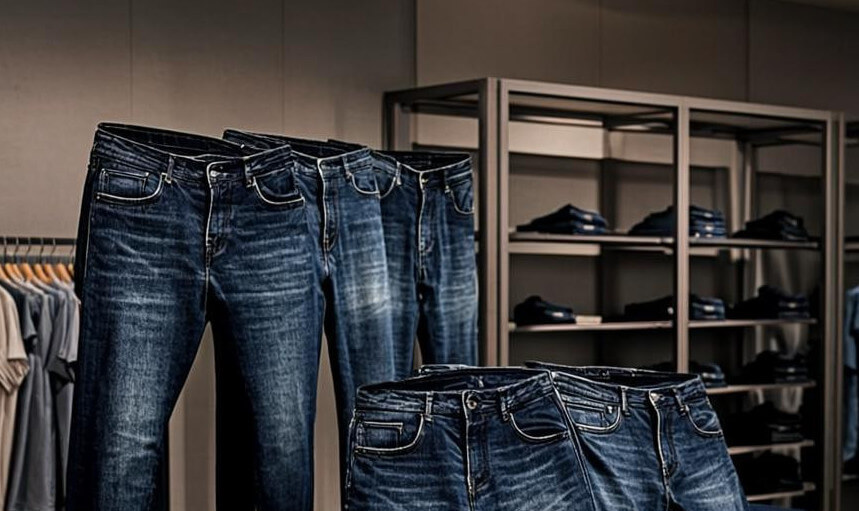
Denim is the universal language of fashion, a fabric that transcends age, gender, culture, and occasion with unparalleled versatility. Yet despite its ubiquity in wardrobes around the world, finding the perfect pair of jeans remains one of fashion’s most frustrating challenges. The options are seemingly endless: skinny, straight, bootcut, wide-leg, relaxed, cropped, high-rise, low-rise, and everything in between. Understanding the nuances of denim fit, fabric, and construction is the key to transforming this wardrobe staple from a source of frustration into your most reliable and flattering piece.
The journey to finding your perfect denim fit starts with understanding your body shape and which silhouettes naturally complement it. For those with an hourglass figure, a high-rise straight or bootcut jean balances proportions beautifully by defining the waist and elongating the legs. Pear-shaped bodies look fantastic in wide-leg or flared styles that create visual balance with the hips while providing comfortable room through the thigh. If you have a more athletic or straight build, slim-straight or skinny jeans add shape and definition, while relaxed-fit styles can create the illusion of curves. The key is to work with your body rather than against it, choosing styles that make you feel confident and comfortable.
Rise, the distance between the crotch seam and the waistband, is perhaps the most important yet frequently overlooked aspect of denim fit. High-rise jeans, sitting at or above the natural waist, have made a major comeback and for good reason: they create the illusion of longer legs, smooth the midsection, and stay securely in place throughout the day. Mid-rise jeans, sitting just below the navel, offer a balanced look that works well for most body types and feels less restrictive than high-rise options. Low-rise jeans, sitting on the hips, create a more casual, youthful aesthetic but can be unflattering on many body types and often require constant adjustment.
The fabric composition of your denim significantly affects both fit and comfort. Traditional 100 percent cotton denim, often called rigid denim, provides the most authentic look and develops beautiful personalized fading patterns over time. However, it offers no stretch, which means it can feel stiff initially and requires a break-in period. Most modern jeans incorporate a small percentage of elastane or spandex, typically one to three percent, which provides just enough stretch for comfort while maintaining the structured look of traditional denim. Be wary of jeans with high percentages of stretch fabric, as they tend to lose their shape and sag after a few hours of wear.
Understanding denim washes and finishes helps you select the right pair for each occasion. Dark, unwashed indigo denim is the most versatile option, appropriate for everything from casual Fridays at the office to evening dinners when paired with the right top and shoes. Medium wash jeans are the classic everyday option that works for nearly any casual situation. Light wash and distressed denim lean more casual and are perfect for weekends and relaxed social settings. Black denim provides an edgy alternative that can be dressed up more easily than blue, while white jeans are a warm-weather staple that instantly elevates any outfit.
When shopping for denim, pay close attention to construction details that indicate quality and longevity. Look for chain-stitched hems, which allow the denim to naturally roll and age beautifully. Check the rivets and buttons, which should be securely attached and made of metal, not plastic. Examine the stitching for consistency and tightness, particularly at stress points like the crotch and pockets. Premium denim often features selvage edges, visible when you cuff the jeans, which indicates the fabric was woven on traditional shuttle looms and will be more durable over time.
Proper care extends the life of your denim significantly. Wash your jeans infrequently, ideally every five to ten wears unless visibly soiled, and always turn them inside out before washing to preserve the color. Use cold water and a gentle detergent, and avoid the dryer at all costs, as heat breaks down both the cotton fibers and the elastic. Instead, hang or lay your jeans flat to air dry. For rigid denim enthusiasts, spot cleaning and freezing your jeans overnight can freshen them between washes without affecting the developing patina that makes each pair uniquely yours.



Discussion
0 CommentsShare your thoughts — every perspective adds value.