
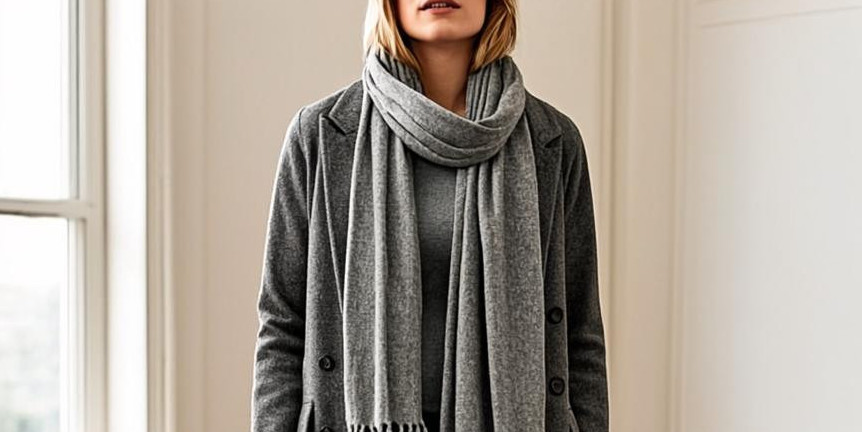
Layering is far more than a practical response to cold weather; it is one of fashion’s most creative and expressive techniques, allowing you to build depth, texture, and visual interest into every outfit. Fashion editors have elevated layering to an art form, combining unexpected pieces in ways that seem effortless but are the result of careful consideration and practiced skill. The beauty of mastering layering is that it multiplies your wardrobe’s potential exponentially, enabling you to create dozens of distinct looks from the same collection of pieces simply by varying how you stack, tuck, drape, and combine them.
The first principle of successful layering is working from thin to thick. Start with the lightest, thinnest layer closest to your body and build outward with progressively heavier pieces. A silk camisole or fine-gauge knit forms the base, followed by a shirt or light sweater, then a cardigan or vest, and finally a coat or jacket. This progression serves both practical and aesthetic purposes: practically, it allows each layer to lie smoothly without bulk, and aesthetically, it creates a natural visual hierarchy that draws the eye from the innermost to the outermost layer. Reversing this order creates lumpy, uncomfortable outfits where thick underlayers bunch and wrinkle beneath thinner outer pieces.
Texture mixing is what separates basic layering from editorial-quality layering. Combining different textures within the same outfit adds dimension and interest even when the color palette is monochromatic. Try pairing a smooth silk blouse with a chunky knit cardigan and a sleek leather jacket. The interplay of shiny, fuzzy, and matte surfaces creates a rich, tactile experience that makes a simple color combination feel complex and sophisticated. Other winning texture combinations include cashmere over denim, velvet under wool, and linen layered with lace. The key is ensuring that each texture is distinct enough to be appreciated individually while contributing to the overall harmony of the outfit.
Proportion manipulation is a powerful layering technique that fashion editors use to create visually dynamic outfits. Play with length by layering a cropped sweater over a longer shirt that extends below the hem, or by wearing a longline vest over a shorter jacket. Mix voluminous pieces with slim ones: an oversized coat worn over skinny jeans and a fitted turtleneck creates a compelling silhouette that balances drama with definition. The contrast between loose and fitted, long and short, creates movement and visual interest that keeps the eye engaged and the outfit feeling intentional rather than haphazard.
Color coordination within layered outfits requires a strategic approach. The simplest method is the gradient approach, where layers progress from lightest on the inside to darkest on the outside, or vice versa. Another effective strategy is the neutral foundation with a pop of color, where most layers are in neutral tones with one bold-colored piece adding visual excitement. For the more adventurous, try complementary color layering, where adjacent layers are in colors that sit opposite each other on the color wheel, creating vibrant contrast. Whatever approach you choose, ensure that the color story feels cohesive by carrying at least one color through multiple layers to create visual continuity.
The exposed layer technique is one of the most effective tricks in the fashion editor’s playbook. Instead of hiding each layer beneath the next, deliberately reveal glimpses of inner layers by leaving outer pieces unbuttoned, pushing up sleeves to show cuffs underneath, or choosing outer layers with deep V-necks that showcase what is beneath. A crisp white shirt collar peeking above a sweater, a silk scarf trailing from beneath a coat, or a patterned lining revealed when you roll your jacket cuffs all add surprising detail that rewards closer inspection. These intentional reveals demonstrate that every layer was chosen with care and that the outfit was constructed rather than simply assembled, elevating even the most casual combination into something worthy of a street-style photograph.

Discussion
0 CommentsShare your thoughts — every perspective adds value.