
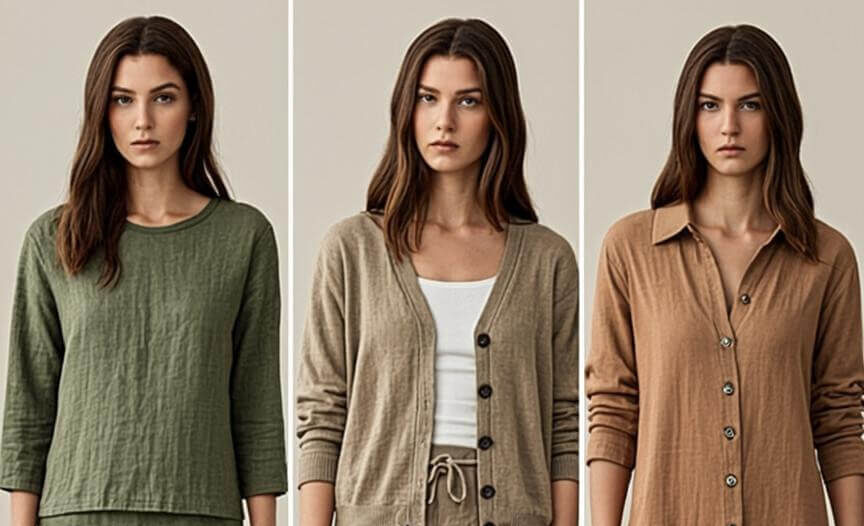
The fashion industry is one of the largest polluters on the planet, responsible for approximately ten percent of global carbon emissions and producing more greenhouse gases than all international flights and maritime shipping combined. As consumers become increasingly aware of these staggering statistics, the movement toward sustainable fashion has shifted from a niche concern to a mainstream imperative. Building an eco-friendly closet is not about perfection or overnight transformation; rather, it is about making more conscious choices that collectively create a meaningful impact on the environment and the people who make our clothes.
The foundation of a sustainable wardrobe begins with a simple but powerful principle: buy less, choose well, make it last. This means investing in high-quality pieces that are designed to endure both physically and stylistically, rather than chasing fleeting trends that end up in landfills within months. When you purchase a well-made garment, you are not just buying fabric and thread; you are investing in the craftsmanship, the materials, and the resources that went into creating it. A quality wool coat worn for ten years has a dramatically smaller environmental footprint than five cheap coats discarded after two seasons each.
Understanding fabric choices is essential for sustainable dressing. Natural fibers like organic cotton, linen, hemp, and wool are generally more eco-friendly than synthetic alternatives like polyester and nylon, which shed microplastics with every wash. However, not all natural fibers are created equal: conventional cotton is one of the most pesticide-intensive crops in the world, so opting for organic or recycled cotton makes a significant difference. Innovative materials like Tencel, made from sustainably harvested wood pulp, and Piñatex, derived from pineapple leaves, offer exciting alternatives that push the boundaries of what sustainable fashion can look and feel like.
Second-hand and vintage shopping represents one of the most impactful ways to build an eco-friendly closet. By giving pre-loved garments a second life, you eliminate the environmental cost of new production entirely while often finding unique pieces that add character to your wardrobe. Thrift stores, consignment shops, and online platforms like Depop, Poshmark, and The RealReal have made second-hand shopping more accessible than ever. The thrill of discovering a vintage designer piece or a perfectly worn-in denim jacket is an experience that fast fashion simply cannot replicate.
When you do buy new, prioritize brands that demonstrate genuine commitment to sustainability through transparent supply chains, fair labor practices, and environmental certifications. Look for certifications like GOTS (Global Organic Textile Standard), Fair Trade, OEKO-TEX, and B Corp that provide verifiable assurance of ethical practices. Brands like Patagonia, Eileen Fisher, Reformation, and Stella McCartney have established themselves as leaders in the sustainable fashion space, but an increasing number of smaller, independent labels are also doing remarkable work with innovative sustainable practices.
Garment care is an often-overlooked aspect of sustainable fashion that can significantly extend the life of your clothes. Washing less frequently, using cold water, air drying when possible, and storing garments properly can dramatically reduce wear and tear while also saving energy. Learning basic mending skills like sewing on buttons, patching holes, and rehemming allows you to keep beloved pieces in rotation far longer than you might expect. The Japanese art of visible mending, known as sashiko, transforms repairs into beautiful design features that celebrate the garment’s history rather than hiding it.
Finally, consider the end-of-life journey of your clothing. When a garment can no longer be worn or mended, explore textile recycling programs rather than throwing it away. Many brands and retailers now offer take-back programs, and organizations like Textile Exchange are working to create circular systems where old clothes become the raw materials for new ones. By thinking about the full lifecycle of your clothing, from production to disposal, you become a more conscious and empowered consumer whose choices help reshape the fashion industry toward a more sustainable future.


Discussion
0 CommentsShare your thoughts — every perspective adds value.