
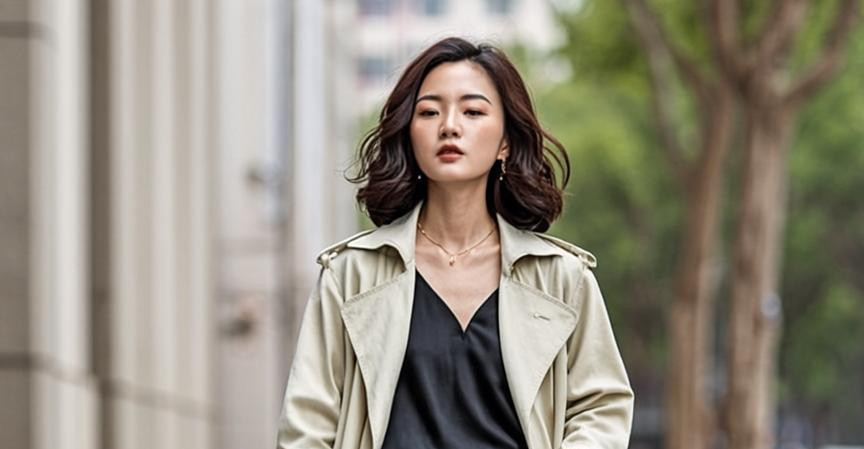
Looking expensive does not require an expensive wardrobe. In fact, some of the most stylish people in the world consistently create luxurious-looking outfits on remarkably modest budgets. The secret lies not in the price tag but in understanding the visual codes that signal quality, elegance, and sophistication. By mastering a few key principles around fabric, fit, color, and styling, you can create outfits that read as high-end without the designer price tag, proving once and for all that style is about knowledge and creativity rather than money.
Fabric is the single most important factor in how expensive an outfit looks. Synthetic fabrics like polyester, acrylic, and cheap nylon tend to have a telltale sheen and drape that immediately reads as inexpensive. Natural fibers, on the other hand, inherently look and feel more luxurious. When shopping on a budget, prioritize cotton, linen, wool, and silk over their synthetic counterparts. A hundred-percent cotton shirt will always look more expensive than a polyester one, even at the same price point. Pay attention to fabric weight too: heavier-weight fabrics generally look more expensive than flimsy, lightweight ones, as they hold their shape and drape more gracefully. A heavier cotton tee holds its structure, while a thin, see-through version looks cheap regardless of how you style it.
Fit is the great equalizer between expensive and affordable clothing. A cheap garment that fits perfectly will always look better than an expensive one that fits poorly. This is where tailoring becomes your secret weapon. A twenty-dollar pair of trousers, hemmed to the perfect length and taken in at the waist, will look infinitely more polished than two-hundred-dollar trousers that are too long and too loose. Find an affordable tailor in your area and make small alterations your routine for every new purchase. The cost of tailoring, typically ten to thirty dollars per alteration, added to an affordable garment still results in a total cost far below the price of designer clothing, yet the final fit will rival any luxury piece.
Color and pattern choices have an outsized impact on perceived expense. Rich, saturated jewel tones like emerald green, burgundy, navy, and camel consistently read as more expensive than bright, saturated neon colors or pastel shades. Similarly, solid colors look more expensive than prints, and if you do choose prints, opt for classic patterns like pinstripes, houndstooth, or subtle florals rather than loud, busy prints that look mass-produced. A monochromatic outfit in a rich color automatically looks more expensive than the same outfit in a random color combination. Monochromatic dressing creates a continuous visual line that elongates the body and signals intentionality, and intentionality always looks expensive.
The high-low mix is perhaps the most powerful technique for looking expensive on a budget. Pair one investment piece with several affordable ones, and the entire outfit borrows the quality feel of the expensive item. A quality leather belt worn with affordable jeans and a simple white tee elevates the entire look. A well-made handbag paired with an inexpensive dress makes the whole outfit feel more polished. The key is choosing investment pieces that are visible and tactile: shoes, bags, belts, and outerwear are the items people notice and touch most, making them the smartest places to invest. Under-layers like tees and tanks are where you can save most effectively without anyone noticing.
Maintenance and presentation play a surprisingly significant role in how expensive your outfits look. A wrinkled silk blouse looks cheaper than a perfectly pressed cotton one, regardless of the actual cost. Keep your clothes clean, pressed, and well-maintained. Polish your shoes regularly, replace worn heel tips, and keep hardware like buckles and zippers in good condition. Store your clothes properly: hang items that need to maintain their shape, fold knits to prevent stretching, and use cedar blocks or lavender sachets to keep everything fresh. These small, free habits extend the life of your clothes and ensure that every outfit you wear presents at its absolute best, maximizing the return on every dollar you spend on your wardrobe.

Discussion
0 CommentsShare your thoughts — every perspective adds value.