
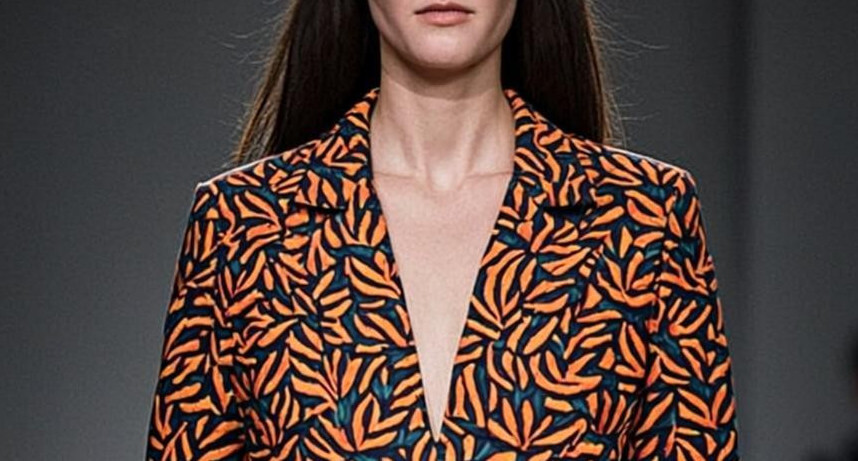
There is an undeniable thrill that comes from wearing bold colors and eye-catching patterns, yet many fashion enthusiasts shy away from them out of fear of getting it wrong. The good news is that mixing and matching vibrant hues and dynamic prints is not an innate talent but a learnable skill, one that becomes easier and more intuitive with practice. Whether you want to dip your toe into bolder territory or dive headfirst into maximalist dressing, understanding the fundamental principles of color theory and pattern mixing will give you the confidence to create outfits that are visually exciting, harmonious, and uniquely expressive.
Color theory provides the scientific foundation for successful color combining. The color wheel, which arranges colors in a circle based on their relationships, is your most valuable tool. Complementary colors, which sit directly opposite each other on the wheel like blue and orange or purple and yellow, create high-contrast, high-energy combinations that instantly draw the eye. Analogous colors, which sit next to each other like blue, blue-green, and green, create more harmonious, soothing combinations that feel cohesive and refined. Triadic colors, equally spaced around the wheel like red, yellow, and blue, create balanced yet vibrant combinations that are more sophisticated than simple complementary pairs.
When working with bold colors for the first time, the proportion rule is your best friend. The simplest approach is the seventy-thirty rule: let one color dominate approximately seventy percent of your outfit and use the second bold color for the remaining thirty percent. For example, pair a bright cobalt blue dress with a tangerine clutch and shoes, or wear emerald green trousers with a hot pink blouse. This approach ensures that the colors feel intentional and balanced rather than overwhelming. As you grow more confident, you can experiment with more equal proportions and add additional colors to the mix.
Pattern mixing is the next frontier, and it follows similar principles of balance and proportion. The easiest entry point is mixing patterns that share a common color. A navy and white striped top paired with a navy and white floral skirt works because the shared color palette creates visual cohesion despite the different patterns. Another foolproof approach is mixing patterns of different scales: a large-scale floral print paired with a small-scale polka dot creates interesting contrast without visual competition. The rule of one bold and one subtle pattern is reliable for beginners, while more advanced mixers can experiment with combining multiple bold patterns by ensuring they share at least one unifying element.
Stripes are the most versatile pattern in your wardrobe and the perfect starting point for pattern mixing. They function almost like a neutral, providing a structured baseline that complements virtually any other pattern. Try pairing a Breton stripe top with a floral midi skirt, or wearing striped trousers with an animal print blouse. The key is to ensure that the stripes and the companion pattern share at least one color, creating a thread of continuity that ties the look together. Black and white stripes are the most versatile, coordinating with almost any color palette, while colored stripes can add an extra dimension to your outfit.
Animal prints have earned their place as fashion neutrals and are remarkably easy to incorporate into bold outfits. Leopard, snake, and zebra prints all read as earth tones in terms of color temperature, which means they pair naturally with warm colors like red, orange, and mustard as well as with cool tones like navy, emerald, and burgundy. An animal print blouse worn under a solid-colored blazer adds just the right amount of edge, while animal print accessories like shoes or a belt can spice up an otherwise monochromatic outfit. Treat animal print as you would a neutral, and you will find it surprisingly versatile and endlessly stylish.
The most important rule of mixing bold colors and patterns is that confidence is the ultimate accessory. If you wear a daring combination with conviction and joy, others will perceive it as stylish and intentional regardless of whether it follows traditional rules. Fashion should be fun and expressive, and sometimes the most memorable outfits come from breaking the rules entirely. Start with combinations that feel comfortable, gradually push your boundaries, and remember that every fashion rule was made to be challenged by someone who decided to wear what made them feel extraordinary.


Discussion
0 CommentsShare your thoughts — every perspective adds value.