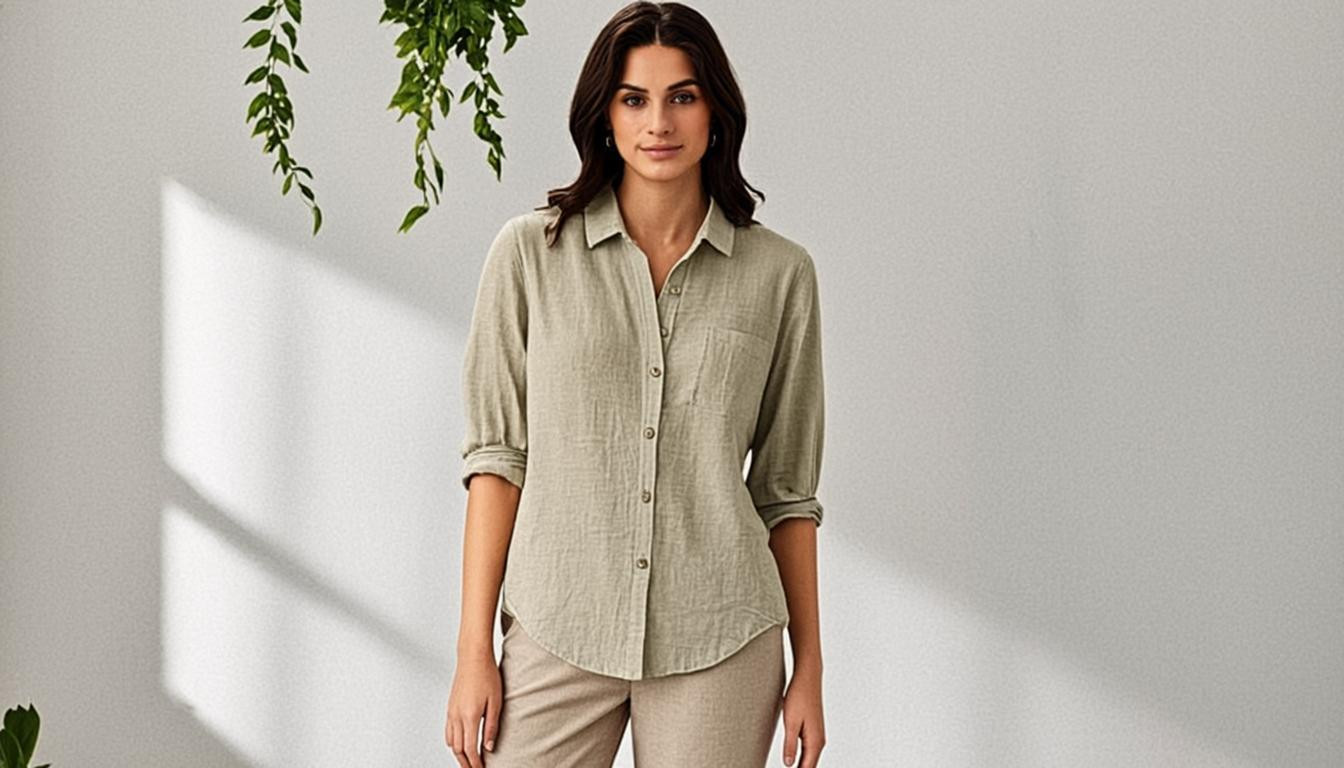
Sustainable fashion has moved well past the era of hemp sacks and preachy messaging. The new wave of eco-conscious brands is producing genuinely desirable clothing — pieces that stand on their own merits, with sustainability as a bonus rather than the entire pitch. Here’s a look at the labels quietly reshaping what responsible fashion can look like in 2026.
The Material Revolution
The biggest shift is in materials. Organic cotton and recycled polyester are now table stakes; the interesting work is happening with newer fibers. TENCEL Lyocell, made from sustainably sourced wood pulp, drapes like silk and breathes like cotton. Piñatex, derived from pineapple leaves, is showing up in surprisingly supple bags and shoes. Even leather is being rethought, with mycelium-based alternatives that mimic the grain and durability of the real thing without the environmental cost.
Brands Worth Watching
A handful of labels are setting the pace. Look for companies that publish their factory locations, share wage data, and offer repair programs — transparency is the most reliable signal of genuine commitment. Brands that have been at it for a decade tend to have more credible supply chains than newcomers, but several recent entrants are pushing innovation harder, particularly in denim and activewear.
The Denim Question
Denim is one of the most resource-intensive fabrics in fashion, which is why it’s become a proving ground for sustainable innovation. The best eco denim now uses a fraction of the water traditional pairs require, often through laser finishing instead of chemical washing. Some brands offer lifetime repairs and take-back programs, extending the life of each pair well beyond the typical two-year cycle.
Beyond Materials: The Business Model
True sustainability isn’t just about what a garment is made of — it’s about how it’s sold. Made-to-order brands that cut only what’s ordered eliminate deadstock waste. Rental platforms extend the life of special-occasion pieces. Resale marketplaces, both brand-operated and third-party, are now a mainstream way to shop quality secondhand. These models matter as much as the fabrics themselves.
How to Spot Greenwashing
Not every brand claiming sustainability is actually practicing it. Watch for vague language — “eco-friendly” without specifics is a red flag. Look for certifications like GOTS for organic textiles, Fair Trade for labor practices, and B Corp for overall social and environmental performance. Brands serious about transparency publish annual impact reports with actual numbers, not just aspirational language.
Building a Sustainable Wardrobe Gradually
You don’t need to replace your wardrobe overnight. The most sustainable approach is to wear what you already own for as long as possible, then replace items thoughtfully as they wear out. When you do shop, prioritize versatile pieces in materials you can verify. Quality matters more than quantity — a well-made organic cotton shirt worn for five years beats three cheap ones discarded each season. Browse ShopBar’s sustainable fashion edit for vetted labels.


Discussion
0 CommentsShare your thoughts — every perspective adds value.