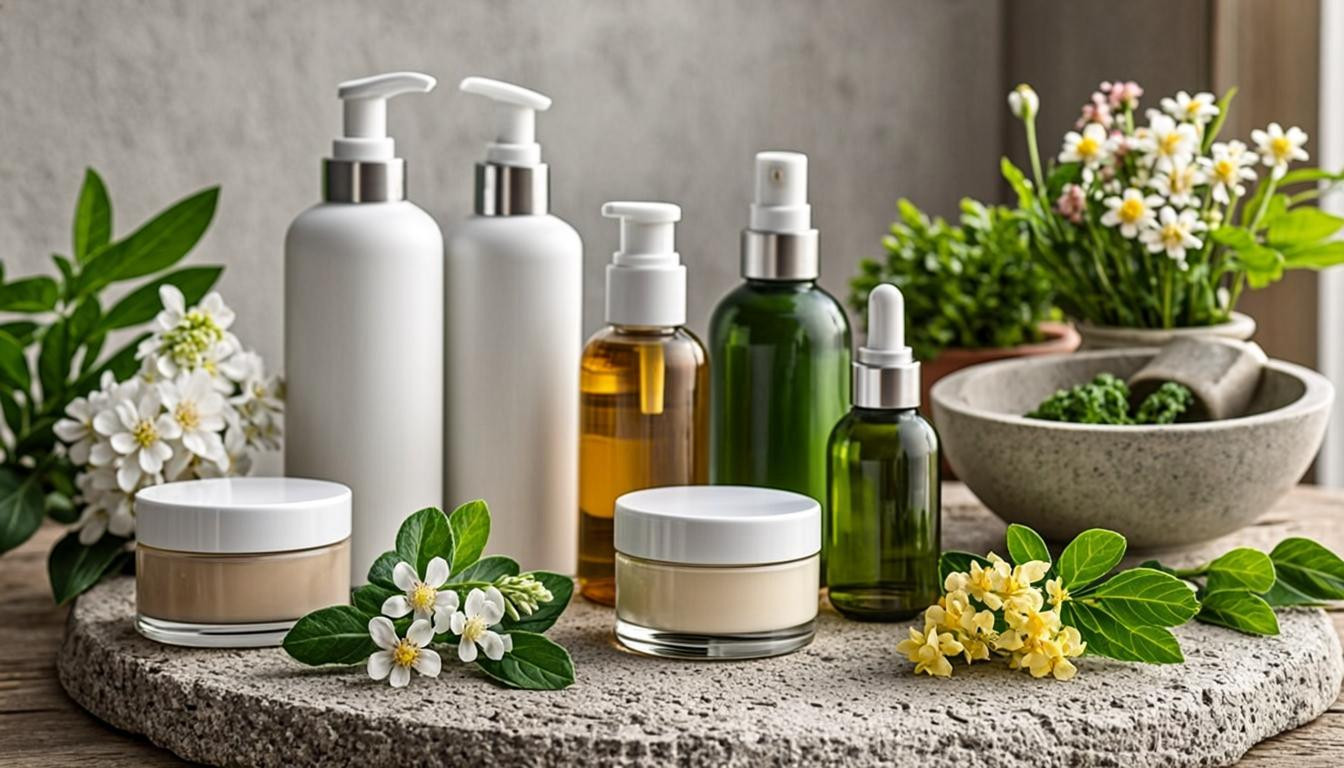
Clean beauty sounds simple in theory — fewer synthetic ingredients, more botanicals, gentler formulations. In practice, the term has become a marketing wildcard, slapped on everything from genuinely thoughtful products to greenwashed versions of the same old formulations. Here’s how to decode clean beauty labels and figure out which ingredients actually matter.
Ingredients Worth Embracing
Some ingredients deserve their hype. Niacinamide regulates oil production and strengthens the skin barrier. Hyaluronic acid holds a thousand times its weight in water. Ceramides are lipids your skin naturally produces; replenishing them supports barrier function. Botanical antioxidants like green tea extract, rosehip oil, and squalane offer proven benefits without synthetic controversy. These workhorse ingredients are the foundation of effective clean formulations.
Ingredients Worth Avoiding
The list of controversial ingredients is shorter than marketing would have you believe. Synthetic fragrances top the list — they’re trade secret blends that can contain dozens of undisclosed chemicals and are common irritants. Parabens, while FDA-approved, have raised enough concern that many brands have moved away from them. Sodium lauryl sulfate can be overly harsh for sensitive skin. Phthalates, used to make fragrances last longer, are worth avoiding. Beyond these, most concerns are overstated.
Natural Isn’t Always Better
The assumption that natural equals safe is one of clean beauty’s most persistent myths. Poison ivy is natural. Essential oils can cause severe allergic reactions and photosensitivity. Many botanical extracts are more irritating than their synthetic counterparts. Conversely, lab-made ingredients like hyaluronic acid and squalane are molecularly identical to natural versions but more stable and sustainable. Judge ingredients by their effects, not their origin story.
Reading the Label Like a Pro
Ingredients are listed in descending order of concentration until you hit the 1% mark, after which they can appear in any order. The first five ingredients tell you most of what you need to know about a product. Water (aqua) usually comes first, followed by the functional ingredients. If a marketing darling like rosehip oil appears at the very end of a long list, it’s present in trace amounts — essentially there for label appeal. Look for products where star ingredients appear in the top third of the list.
The Certifications That Matter
Third-party certifications cut through marketing noise. COSMOS Organic certifies genuinely organic formulations. EWG Verified indicates a product meets strict safety standards. Leaping Bunny certifies cruelty-free status. Made Safe screens against thousands of harmful chemicals. B Corp certification covers overall social and environmental responsibility. No single certification tells the whole story, but together they provide meaningful signal.
Building a Routine That Works
Clean beauty should simplify your routine, not complicate it. Pick a gentle cleanser, a multi-active serum, a barrier-supporting moisturizer, and a mineral sunscreen. That’s enough. Add treatments like retinoids or exfoliating acids gradually, watching how your skin responds. The best clean beauty routine is one you’ll actually maintain. Explore ShopBar’s Beauty store for vetted clean formulations from brands that publish their full ingredient lists.

Discussion
0 CommentsShare your thoughts — every perspective adds value.