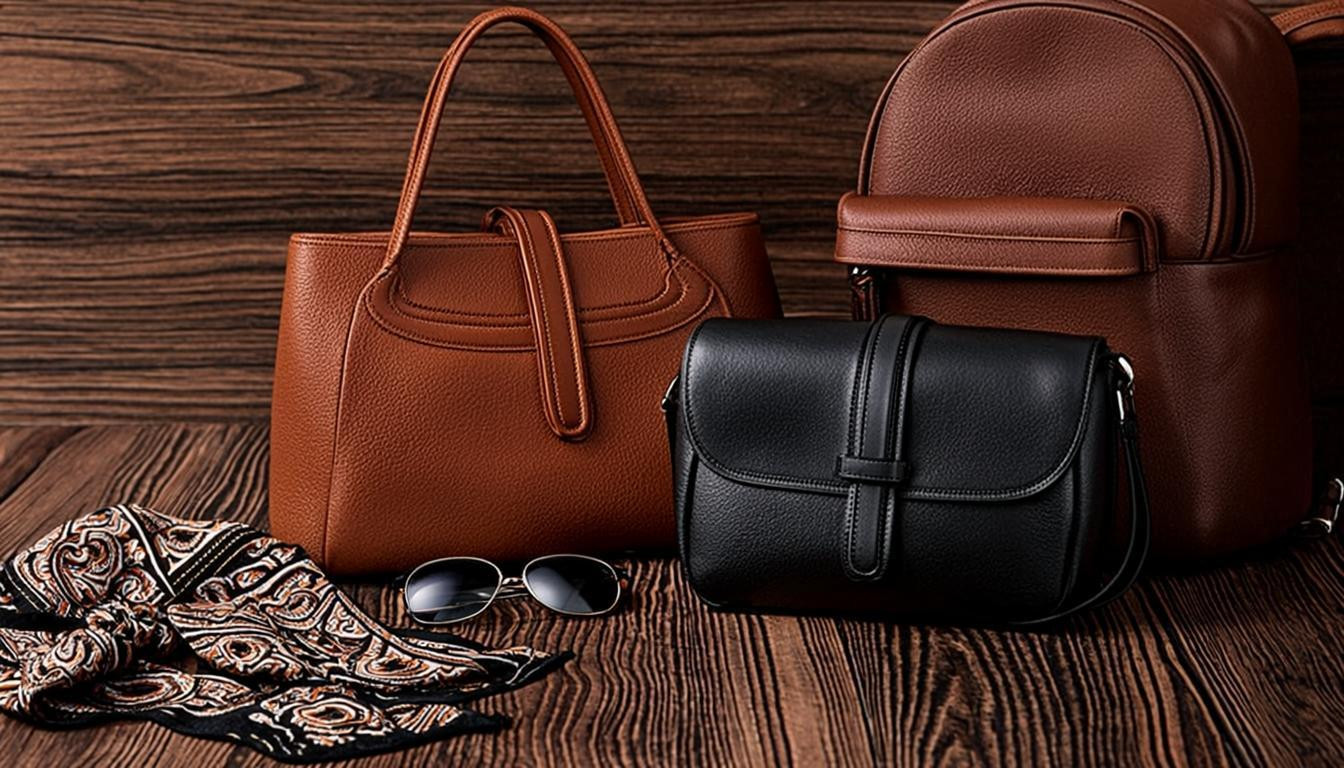
A good leather bag is one of the few purchases that genuinely improves with age. Unlike most accessories that look tired after a season, well-made leather develops a patina that tells the story of where you’ve been and what you’ve carried. Here’s how to navigate the three core styles — totes, crossbodies, and backpacks — and choose one (or all three) that will last for decades.
The Tote: Daily Workhorse
A leather tote is the most versatile bag in any wardrobe. It carries a laptop, gym clothes, groceries, or a weekend’s worth of essentials with equal ease. Look for structured bottom panels that prevent sagging, reinforced handles that won’t stretch, and an interior zip pocket for valuables. Vegetable-tanned leather ages beautifully but requires more care; chrome-tanned leather is more forgiving and water-resistant. A medium tan or rich brown shade will coordinate with the widest range of outfits.
The Crossbody: Hands-Free Essential
A crossbody bag solves the eternal problem of carrying essentials without occupying your hands. The best designs are compact enough to wear all day without strain but roomy enough for phone, wallet, keys, sunglasses, and a small water bottle. Look for an adjustable strap that allows wearing across the body or on one shoulder. Magnetic closures offer quick access; zippers offer security. A small crossbody in black or cognac is the most useful bag you’ll own.
The Backpack: Beyond Student Style
Leather backpacks have graduated from student territory into genuinely sophisticated accessories. A well-designed leather backpack distributes weight more comfortably than a tote, frees both hands, and works for commuting, travel, and even some offices. Look for padded laptop compartments, sturdy hardware that won’t fail under load, and back panels that allow airflow. Avoid designs with too many external pockets — clean lines age better and look more professional.
Leather Quality: What to Look For
Not all leather is created equal. Full-grain leather — the top layer of the hide with natural grain intact — is the most durable and develops the best patina. Top-grain leather has been sanded to remove imperfections, producing a more uniform look but slightly less character. Genuine leather, despite the name, is a lower-grade product bonded together; avoid it. Look for bags that specify full-grain or top-grain, and trust brands that openly discuss their materials.
Hardware and Stitching Details
The details separate a bag that lasts decades from one that falls apart in a year. Hardware should be solid brass or stainless steel, not plated plastic. Zippers should be from reputable makers like YKK or Riri. Stitching should be even, with no loose threads, and stress points should have reinforced stitching or rivets. Edge paint, where the cut edges of leather are sealed, should be smooth and consistent. These details cost more but are the difference between an heirloom and a disposable.
Care for a Lifetime of Use
Leather care is simple but matters. Condition every six months with a quality leather balm to prevent cracking. Avoid prolonged exposure to direct sunlight, which fades color. Stuff bags with tissue paper when not in use to maintain shape. Address scratches immediately with a small amount of leather conditioner. With basic care, a quality leather bag will outlast most other items in your wardrobe. Explore ShopBar’s Accessories store for handpicked leather goods from brands that stand behind their craft.

Discussion
0 CommentsShare your thoughts — every perspective adds value.