
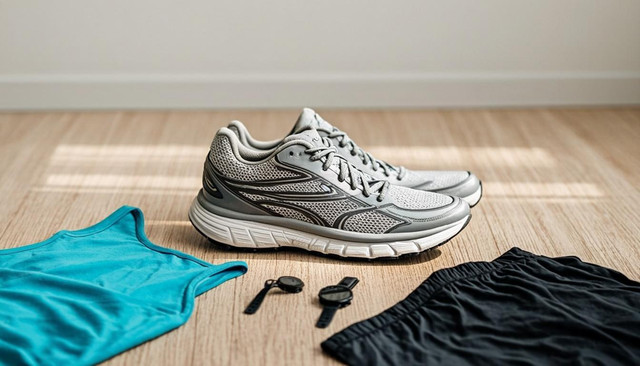
Running is the simplest sport in the world until you try to buy shoes. Walk into any running store and you will be confronted with walls of options, each promising to fix something about your form, cushion your landings, and shave seconds off your personal best. The reality is that the right running shoe for you depends mostly on one thing: how your foot strikes the ground. Get that right and most of the marketing noise falls away.
Understanding your foot strike is not as complicated as it sounds. There are three main patterns, and once you know which one you have, you can narrow your shoe search from hundreds of options to a manageable shortlist. Here is the framework.
Heel Strike: The Most Common Pattern
About 80 percent of recreational runners are heel strikers, meaning the outside of the heel hits the ground first before the foot rolls forward to push off the toe. Heel striking is not inherently bad despite what running form enthusiasts claim, but it does generate significant impact forces that travel up through the ankle, knee, and hip. The right shoe for a heel striker needs substantial cushioning in the heel to absorb that impact.
Look for shoes with a higher heel-to-toe drop (8 to 12 millimeters), which positions the heel slightly higher and encourages a more natural foot landing. Maximum cushion shoes from brands like Hoka, Brooks, and ASICS are designed with heel strikers in mind. If you are a heavier runner or run long distances, prioritize cushioning over weight savings.
Midfoot Strike: The Balanced Approach
Midfoot strikers land on the middle of the foot, with the heel and ball of the foot hitting the ground almost simultaneously. This pattern distributes impact forces more evenly than heel striking and is generally considered more efficient for longer distances. Many runners naturally adopt a midfoot strike as they increase their cadence and improve their form.
Midfoot strikers have the widest range of shoe options because they do not need the extreme heel cushioning of heel strikers nor the forefoot emphasis of toe runners. Look for shoes with a moderate heel-to-toe drop (4 to 8 millimeters) and balanced cushioning throughout. Most daily trainers from major brands work well for midfoot strikers. Pay attention to flexibility through the midfoot, since that is where the shoe bends during push-off.
Forefoot Strike and Finding Your Pattern
Forefoot strikers land on the ball of the foot first, with the heel sometimes not touching the ground at all. This pattern is common among sprinters and experienced distance runners who have worked on their form. It generates less impact force but places more load on the calf muscles and Achilles tendon, which can lead to injury if you switch to it too quickly.
Forefoot strikers should look for shoes with a lower heel-to-toe drop (0 to 4 millimeters) and good forefoot cushioning. Lightweight trainers and racing shoes often work well. To find your own pattern, look at the wear pattern on an old pair of running shoes. Heavy wear at the outside of the heel suggests heel striking. Wear concentrated under the ball of the foot suggests forefoot striking. Even wear across the foot suggests midfoot. A specialty running store can also record you on a treadmill and analyze your gait, which is the most accurate way to know for sure. Once you know your pattern, picking the right shoe becomes a much simpler task.

Discussion
0 CommentsShare your thoughts — every perspective adds value.