

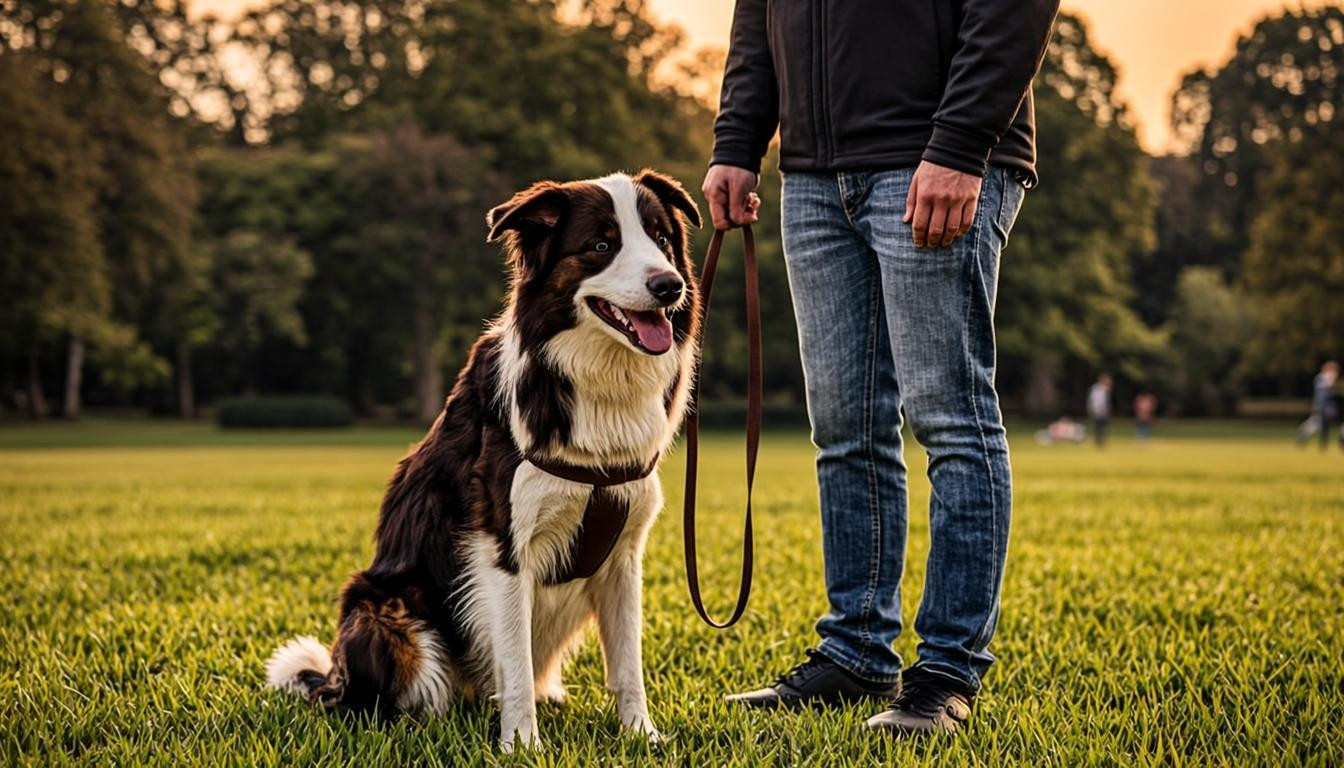
If you’ve ever watched your dog pull relentlessly on a leash, cough at the collar, or slip out of harness on a squirrel chase, you’ve experienced the consequences of the wrong walking gear. A harness isn’t just a fashion accessory — it’s the interface between you and your dog on every walk for years. The right harness reduces pulling, prevents injury, and makes walks more enjoyable for both of you. The wrong one creates bad habits, chafes, and can even cause structural problems. Here’s how to choose a harness that genuinely fits your dog’s body and behavior.
Back-Clip vs. Front-Clip: The Pulling Question
The clip placement is the single most important harness decision, and it’s driven by your dog’s leash behavior. Back-clip harnesses are comfortable, easy to put on, and great for well-mannered walkers or as a casual option. They’re also the safer choice for small dogs with delicate tracheas and for short-nosed breeds who already struggle with breathing. However, back-clip harnesses can actually encourage pulling in dogs who already pull — it’s why sled dogs wear them. Front-clip harnesses, by contrast, redirect the dog back toward you when they pull, which is a powerful training tool. Most dogs who pull benefit from a front-clip harness, ideally one with a back clip too for versatility.
The Three Main Harness Styles
Step-in harnesses are easy to put on — the dog steps into two loops and the clip fastens on the back. They work well for small, calm dogs but tend to fit poorly on deep-chested breeds. Over-the-head harnesses have a neck opening and a belly strap that fastens with a clip. These provide the most secure, customizable fit and are the standard for medium and large dogs. Vest-style harnesses combine a fabric vest with the harness structure, providing warmth and visibility — great for small dogs in cold weather or for night walks with reflective trim. Each style has a niche; matching it to your dog’s size and shape matters more than the brand.
Fitting: Where Most Owners Go Wrong
A poorly fit harness causes chafing, escape, and uneven pressure. The general rule is the two-finger test: you should be able to slide two fingers flat between the strap and your dog’s body at any point. The neck opening should sit low enough that it doesn’t press on the throat, and the belly strap should be behind the ribcage, not behind the elbows where it rubs during walking. Check the harness fit monthly — dogs gain and lose weight, and a harness that fit perfectly in summer may be too tight by winter. For puppies, expect to replace the harness every few months during growth.
Special Cases: Brachycephalic and Senior Dogs
Short-nosed breeds like French Bulldogs, Pugs, and Boston Terriers need harnesses that sit well below the throat to avoid compressing their already-compromised airways. A Y-shaped chest plate, which distributes pressure across the sternum rather than the throat, is ideal. Senior dogs with mobility issues benefit from a support harness with a handle on the back, allowing you to help them up stairs, into the car, or over obstacles. These harnesses are also invaluable for dogs recovering from surgery. For dogs with arthritis, look for padded straps that don’t press on sensitive joints.
Materials and Durability
Nylon is the most common harness material — affordable, washable, and available in every color. It can chafe if not padded and absorbs water, making it a poor choice for frequent swimmers. Polyester webbing handles water better and resists fading. Leather harnesses are beautiful, durable, and mold to the dog’s body over time, but they require maintenance and aren’t washable. For night walking, look for harnesses with reflective stitching or trim. A quality harness lasts three to five years with regular use; cheap ones fail in months. At Pawwell, we carry harnesses across every style, clip configuration, and price tier — and our team can help you try several on your dog to find the right fit before you buy.



Discussion 0 comments
Share your thoughts — every perspective adds value.